Bienvenue à Madagascar
- Dec 3, 2023
- 15 min read
A short visit with great experiences and unforgettable moments 28.9. - 9.10.2023
On clearing in and out
We tried to get an entry permit by ship weeks in advance. We were able to find out most of it at noonsite.com, a website for blue water sailors. Ten email addresses had to be addressed, including the Transport Minister, the Security Minister, etc. After repeated inquiries from Unterwegs, thanks to Starlink, we received the coveted paper. Without an entry permit you will be sent straight back to where you came from. This means the first hurdle has been overcome. As soon as the anchor is buried in the ground, the first agent comes rowing in with his helper in the ancient dinghy. Renier already knows Romeo from previous visits and we take him with us to help us clear and guard our dinghy. A short drive to the jetty and we're at the police station. We are invited into the barracks and, very importantly, there are always seats offered. Nobody stands, general greetings and questions, then clear instructions. The first 120,000 Ariarys (roughly CHF 23) are due, plus 80,000 for the taxi to the airport for the visa stamp, the visas are free for 15 days.
So first we take the tuktuk to the ATM (money spook machine) and back to the port. Then to the Gendarmerie, again 120,000.-, then Customs, again 120,000.-, then to the APMF, immigration and, you guessed it, again 120,000.-. Almost everyone in Madagascar is a millionaire, the currency is collapsing rapidly, the sums are immense and everything runs on cash. Only in some supermarkets like Leaderprice from France, in the hotels and very few restaurants can you pay by card if you can. Some people issue receipts, others prefer not to. It's closed at lunchtime, but it opens again at three o'clock. A visit to the Najuma with all authorities representatives by dinghy is mandatory. At half past four we are checked in and ready for a cold beer in the nearest bar.
First of all, the clearance took over three days. Gottfried's French improved by 300% in these three days, which subtly helped with communication, wink. This permit is needed again, this time to leave the country. Unfortunately, we were misinformed and had to write to all important offices and people again in an emergency exercise. Luckily the Monsieur le Directeur of the AMPF helped us and called directly to the capital on the main island, or mainland as they call it. We still had to wait another weekend because the transport minister was away for an inauguration on Friday. On Monday 9.10. We all got stamps, notabene after we had submitted all our documents with 120 copies, yes, a hundred and twenty copies. It cost again 120,000 at each office. In Africa, red tape neighs ten times louder and more often than we are used to. The only thing that helps is to stay calm, not get upset, be nice and always smile. As they say; Hakuna Matata.

Police à la Madagascar


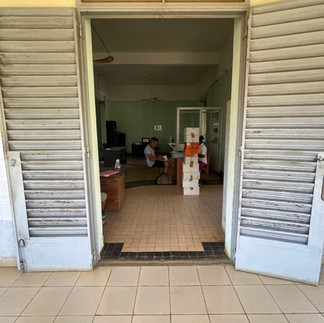


Wait, wait, wait in front of the APMF, dinghy expedition, main jetty in NosyBe, pirogue or outrigger canoe a challenge for reindeer, customs and the well-deserved beer!
Nosy Be
A dream destination? We are convinced of it!
Nosy Be is a picturesque island off the northwest coast of Madagascar in the Indian Ocean. The name "Nosy Be" Translated means something like “big island”. in the local language of Malagasy. The island is known for its stunning beaches, coral reefs and diverse wildlife and attracts both domestic and international tourists. Some sailors also dare to sail north from South Africa, or visit Madagascar from the west on their circumnavigation. We decided to take the detour from South Africa and were richly rewarded.
Some of the notable aspects of Nosy Be are (from the relevant websites):
Beautiful beaches: The island is home to some of the most beautiful beaches in Madagascar, including Andilana, Ambatoloaka and Madirokely. The beaches are characterized by fine white sand and crystal clear water.
Diving and snorkeling: Nosy Be is a paradise for divers and snorkelers. The surrounding waters are rich in coral reefs and an amazing variety of marine life, including colorful fish, turtles and rays.
Local Markets: The island also offers the opportunity to explore local markets selling traditional Malagasy products and crafts sold. The market in Hell-Ville, the capital of Nosy Be, is particularly popular.
Lemur reserves: Madagascar is known for its unique wildlife, especially lemurs. There are reserves on Nosy Be where visitors can observe these fascinating animals in their natural environment.
Spice plantations: Nosy Be is also known for its spice plantations. Vanilla, ylang-ylang (a fragrant flower) and other spices are grown here. Visitors have the opportunity to take part in guided tours to learn more about the cultivation and processing of these spices.
Religious Sites: There are also some religious sites on the island, including the Russian Orthodox Cathedral of St. Nicolas . This cathedral was built by Russian immigrants in the 19th century.
Nosy Be offers a perfect blend of natural beauty, cultural richness and adventure opportunities, making it a popular destination for those looking for a tropical paradise that is in large parts still remains very original, of course with the achievements of modern civilization, but still not as developed as in other places developed by tourism.
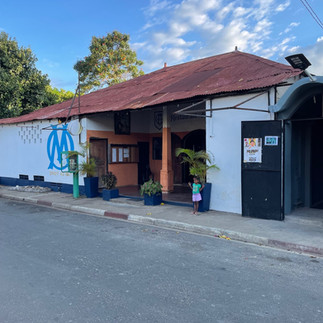
Our first contact with Madagascar is the city of Hellville, our arrival and clearing port. Hellville is the capital of the island. The name "Hell-Ville" goes back to Admiral de Hell, a 19th century French officer who founded the city. The city was later named after him to honor his achievements. It wasn't a pirate's nest and we didn't sail straight to hell. There are various stories, but only one correct explanation.
The streets are very lively and colorful. People live outside early in the morning and in the evening, avoiding the midday heat. This time is preferred to be spent in shady places and in houses. A constant going and coming full of joy of life. Service is very important, as is negotiating the price. As always in a new country, you initially stumble over the prices. We learn quickly and soon we won't let ourselves be cheated anymore. It really is a game and it helps if you master it. The locals usually acknowledge it with a mischievous smile.
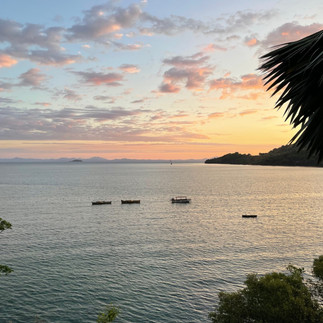
The first two days we anchor in the harbor of Hellville and look around the city and go shopping at the market. We spend the evening in the Restaurant de la Mer, with a terrace and a wonderful view. It's almost kitschy that the big fishing boats and dhows sail into the sunset and night to enter the harbor with their catch in the morning.


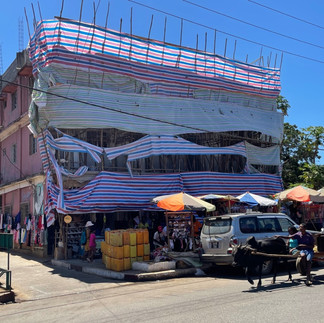


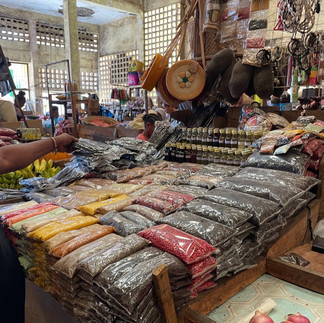






colorful Hellville






A day with Alex
Before our trip to Madagascar, Mark put us in touch with Alex. He grew up on Nosy Be, speaks perfect English and is at home in the tourism business. He organizes a tuktuk tour across the island for us and takes us to the most beautiful places on Nosy Be.
We start from Crater Bay, where we are at a buoy at the yacht club, with a short swing through Hellville and then drive directly to Lemuria Land outside the city. This private zoological and botanical garden is home to many plant species, as well as some lemur species and other wild animals such as crocodiles, turtles, lizards and much more.
Ever since the cartoon Madagascar, everyone has known the cute animals with the big googly eyes, the thick fur and the long tails. Lemurs are a group of primates found on the island of Madagascar and surrounding islands. These unique animals belong to the suborder of wet-nosed monkeys (Strepsirrhini) and are closely related to lorises and galagos.
Here are some interesting facts about lemurs:
There are more than 100 different species of lemurs, and they vary greatly in size, appearance, and behavior. The best-known species include the ring-tailed lemur, the ring-tailed lemur (the one from the film in the yoga pose) and the ruffed lemur.
Lemurs inhabit a variety of habitats, including rainforests, dry forests, mangroves, and mountainous regions. However, their distribution is limited to Madagascar and the surrounding islands.
Most lemurs are nocturnal animals, meaning they are active at night and sleep during the day. However, some species are also active during the day, such as the black lemur.
Lemurs often live in groups called troops. These groups can range from a few individuals to over 20 animals, depending on the species.The female animals lead the group, always eat first and are responsible for everything, typical matriarchy.
Many lemur species are endangered or threatened with extinction. The main threats are habitat loss due to deforestation, hunting and climatic changes. There are great efforts underway to protect the animals, but the great poverty and corruption cannot be defeated overnight.
Lemurs often have striking features such as large, expressive eyes, long tails, and soft, dense fur. Some species also have distinctive fur patterns and coloring.
Lemurs are fascinating animals that you can watch for hours. Very curious and trusting where they are used to people. They play an important role in Madagascar's ecosystem. Habitat protection and conservation efforts are critical to ensuring the survival of these unique primates.
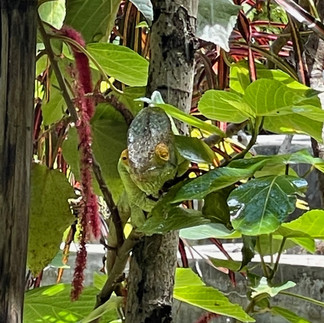
Alex leads us through the large park and explains a lot about all the animals and plants. In addition to lemurs, there are many other endemic species such as chameleons, geckos and also many endemic plants. Within the park there is also an old distillery for plant essences used to make perfume. There is also a small list of different plants and flowers that are more or less familiar to us.
Ylang-Ylang (Cananga odorata): This fragrant flower is known for its intense, floral aroma and is often used in perfumes. Ylang-ylang oil is extracted from the flowers and gives perfumes a sweet, exotic note. The trees grow up to over 30 m into the sky, but are cut back in plantation cultivation and kept at a height of approx. 2-3 m. On Nosy Be and the surrounding islands, a number of plantations contribute to livelihoods.
Vanilla (Vanilla planifolia): Nosy Be is also known for growing vanilla. Vanilla extract, extracted from the fermented pods, is often used as a base note in many perfumes, giving them a warm, sweet scent.We know it from the bakery department in large distributors, usually packaged in glass tubes. Cultivation was a lucrative business, but prices have plummeted due to overproduction.
Frangipani (Plumeria): The fragrant flowers of the frangipani tree are widespread on Nosy Be. The essential oil from these flowers is often used in perfumes and gives them a floral, tropical scent. The beautiful flowers are also known from other tropical areas, e.g. Tahiti, where they are braided into wreaths and necklaces and given as a welcome gift.
Jasmine (Jasminum): Jasmine flowers are known for their intoxicating scent. Jasmine oil, extracted from the flowers, is often used as a heart note in perfumes and gives them a sensual and floral note.
Clove (Syzygium aromaticum): Cloves are also grown on Nosy Be. Clove oil, extracted from the dried clove buds, is used as a spicy note in some perfumes.
These plants contribute to the unique and exotic scent palette often associated with the island of Nosy Be. The perfume industry values these natural ingredients for their high-quality fragrances, and sustainable harvesting is important to protect the environment and plant communities on the island. Progress and trade always come at a price. In the last 50 years, plantations have been overexploited in some places. Deforestation and slash-and-burn agriculture have left their mark. We hope that the ecosystems will be preserved and this wonderful biodiversity can be experienced for further generations.

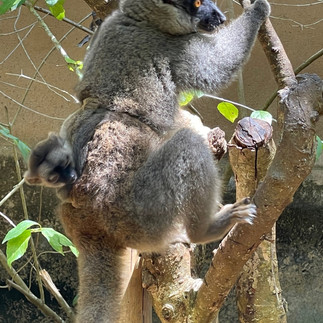





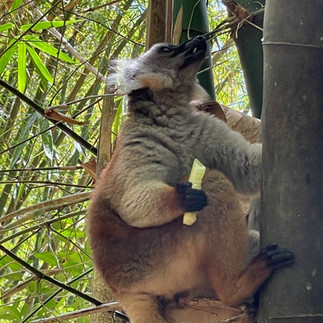
Lemur diversity




Primitive creatures





Papayas, jackfruit, ylang ylang, cocoa...who will find the chameleon?





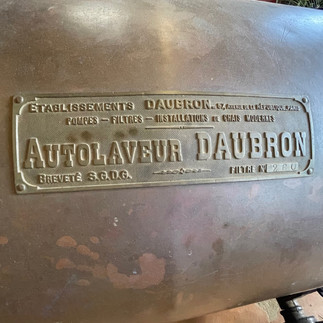
Distillery
Next stop: Mahatsingo Sacred Tree
The ride in the tuk-tuk cools us down a bit. Despite everything, we have to get used to the warmth and high humidity. The sacred tree stands in the middle of a grove right on the coast. the shade is good for us.
The Banyan Tree was planted by the Queen of the Sakalava Tribe in 1836. It is considered a sacred tree and offerings are still made to the tree today. The tree stands in a place of strength and provides energy and blessings. We are dressed in a lamba, the traditional wrapping cloth, and are allowed to enter the sanctuary barefoot, with our right leg first. Cloths stretched between the aerial roots are all symbolic; Gold, earth, sky. At the entrance there is a statue of the queen. We enjoy the silence of the place on a tour.

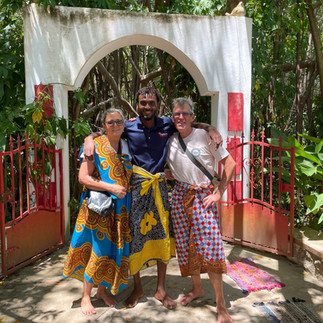


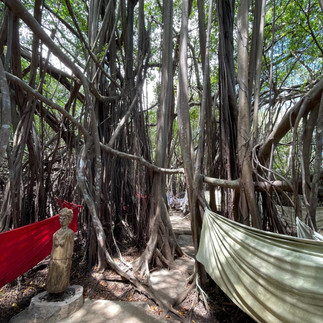

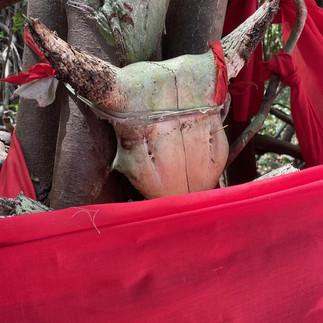


The day is still long and we still have a lot to do. After long days of sailing, it's a great change for us to go on a journey of discovery with solid ground under our feet. The midday sun beats down on the streets. Luckily we drive across the island in an open tuktuk. We smell the scent of the island and the many plants, squint our eyes when it gets dusty and wave to the people on the side of the road and in the villages. It's a journey through time. Modern hotels on the beaches, simple huts in the villages and individual farms scattered throughout the landscape. The simplicity that we encounter, here on this trip and also on Nosy Komba on the neighboring island, gives us pause in our thoughts. How much or how little is needed for life. From our perspective, prosperity looks different and the pursuit of comfort seems commonplace to us. Alex tells us about the time during the pandemic and also about the solidarity between people. About hopelessness and rays of hope, about impartiality and about living together in this island community.
Politically speaking, Madagascar is on the way back to democracy after a long totalitarian government. A long process in which the old rope teams first have to be left behind. The next elections will show it.
We go past the airfield to the other side of the island. Gottfried has caught the sunny side, his left arm, leg and cheek are visibly taking on color. The tuktuk is too tight to move with three people in the back seat. The journey to Andilana Beach in the northwest of Nosy Be takes around one and a half hours. A fantastic sandy beach, expensive resorts, bars and restaurants, 50 m away from the public beach where all the locals meet. There are also open kitchens and the smell of grilled fish and meat can be heard from afar. Today we decide on the vegetarian version with rice, cassava, beans and brèdes, an herb, plus water and a beer.
This is a typical meal in Madagascar. Rice and a side dish. We sit at a long table right next to the kitchen with Alex and our fast tuktuk pilot.From our place we can see directly across to the guarded and demarcated hotel beach, somehow surreal. A meal here for CHF 2.-, a drink over there for CHF 18.-.We prefer to leave our money and tips directly with the locals. They are grateful for every business, no matter how small. Many earn their income by selling fish, fruits and many small services. For us, these are always encounters with new people and characters and, in addition to the actual trading, a lot of questions are asked and told. For us, these experiences and small episodes are the reason for our journey. Over the past three years we have learned to be more patient, to listen and to respect and respect other ways of life and wisdom. Sometimes, like when clearing out, your patience is really strained, but it doesn't help to complain too much; you'll just run aground. Other countries, other customs and other mentalities.Before we drive to Mont Passon we take a walk along the beautiful sandy beach. It's still very hot even at four in the afternoon. The hotel guards stand on the beach in long pants, shirts and combat boots, a tough job. With 60% underemployment, everyone who has a job is happy. Hats off!


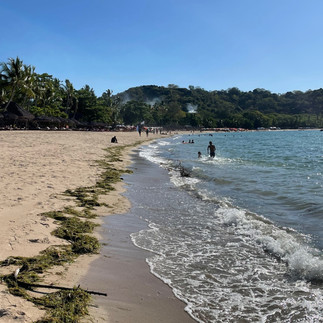
Andilana Beach
It goes back inside the island to the viewpoint on Mont Passon. Our tuktuk wheezes up the mountain in first gear, past the sacred lakes with the crocodiles. Bathing is forbidden and be careful, the critters are not to be trifled with.





the sacred lakes
Soon the road ends and we walk up to the viewing platform on Mont Passon, named after a French commander who recognized the strategic lookout on the mountain early on. Once at the top the view is fantastic, breathtaking. A panoramic view of Nosy Be, the neighboring islands and across to the 'mainland'. We are up here with the whole crowd of tourists, everyone wants to admire the sunset. It's entertaining up on the mountain. In addition to the view, it's also exciting to watch the people and puzzle over who comes from where.
The sunset is a spectacle, plus music from the ghetto blaster, a crowd at the railing and then the spook is over.





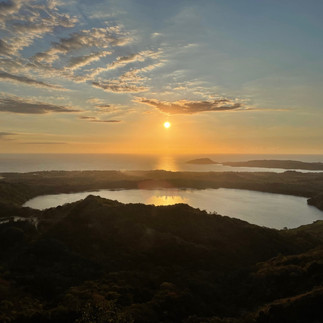





Sunset on Mont Passon
It gets dark quickly in the tropics. As soon as the sun has disappeared behind the horizon, it will soon be a dark night. The moon is currently in its growing phase, which makes the night seem even darker. Sparse lighting in the villages, the occasional street lamp on the country road. We take the direct route back to Crater Bay. The road is just a construction site. On Sunday evening everyone is on the street, everyone meets up before the week starts again. Lots of cars, tuk-tuks, motorbikes, a hustle and bustle like no other. Dust and lights, it's really spooky. Driving here ourselves would be totally overwhelming for us. We return to the marina safely.
Thank you very much Alex, it was an unforgettable day! You have opened our hearts to your country, we will come back next year and want to see more of Madagascar.
Nosy Komba
One of the neighboring islands towards the mainland, about 1.5 nautical miles from Hellville, is Nosy Komba. The almost circular island rises sharply towards the center. The highest point of the Antaninaomby volcano reaches an impressive 622 m. The island is a popular tourist spot, very tropical with many small beaches and green tropical forests, interspersed with plantations and small settlements and huts.
It is also home to the endangered black lemur, cave flying foxes and various species of bats. Approximately 30 species of amphibians and reptiles also live on the island.
We anchor in a light swell in front of the town of Ampangorinana and have two days to explore the island and visit Gery and Lizl. Both have been living on Nosy Komba for several years, originally from South Africa and are old friends of Renier. A three-minute boat ride from the Najuma to the beach and we're sitting in Andi's bar and restaurant. Swiss German is spoken here. Andi is an old Oerliker from the post-1968 generation and has been on the island for several years. A dropout like some of us we get to know here. Life is relaxed and relaxed and with the necessary financial background you can live well here. It's not just about cheap living, it's more about the philosophy of freedom and escaping from the many rules at home. Others move to Madagascar for a change of scenery, the beautiful landscape, the lovely people and simply to enjoy the warmth and sun.
The days always start early in the tropics. The time around sunrise is calm, there is no heat yet and the busy life on the beach begins. We go swimming early, read and drink coffee or a fresh smoothie. Just everyday life on board.

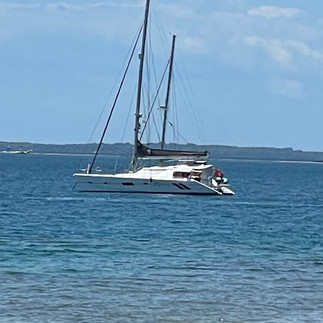


Anchorage at Nosy Komba
Today there is a shore excursion on the agenda. We visit the black lemurs. A species of lemur that is threatened with extinction. In the afternoon we were invited to the obligatory braai with Gery and Lizl.
Lemurs are incredibly cute animals. Very trusting (of course they are also fed) and incredible acrobats. In addition to the lemurs, a young guide also explains to us the lifestyles of snakes, geckos and turtles. Everything is very close and you can touch it.


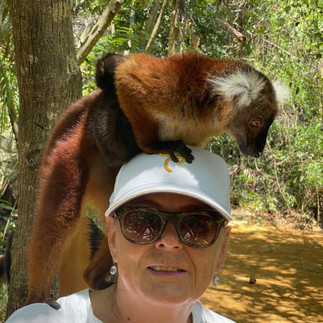


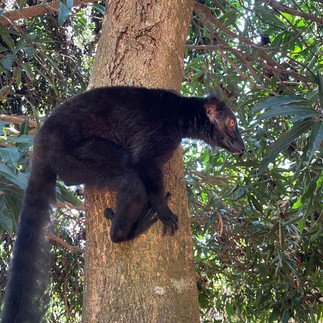
the black makis

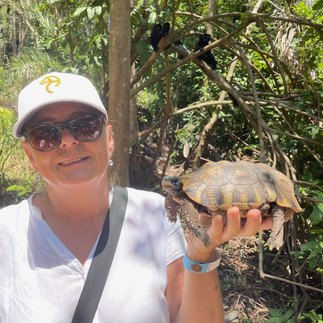




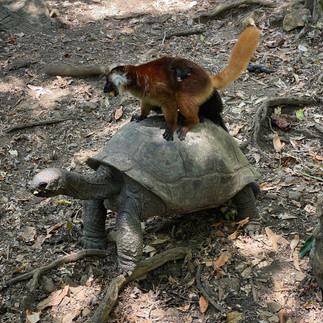
We walk up to the volcano with Robert, a friend of Gery's who grew up on the island. It goes steeply uphill through tropical vegetation and plantations to the summit. At the top there is a small hut with a kitchen and offers fish juices for refreshment. The view over the Indian Ocean and the many islands is phenomenal. As we descend, Robert shows us his plantation and his home. The mountain side is forested, in between there are small settlements and schools and companies that produce chocolate and rhum. Everything in small format, something for sale and a lot for your own use. There are no roads only paths and mountain paths on the island. Far away is the hustle and bustle of Hellville. In the evening the day tourists from Nosy Be have disappeared and peace returns. Everything goes along at a leisurely pace with a lot of calm and prudence. A different world for us.


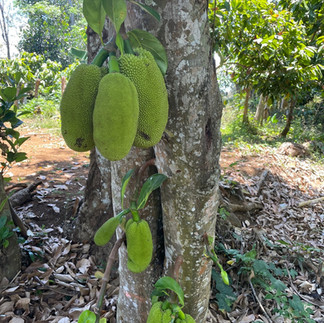


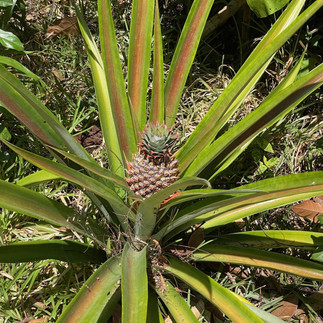




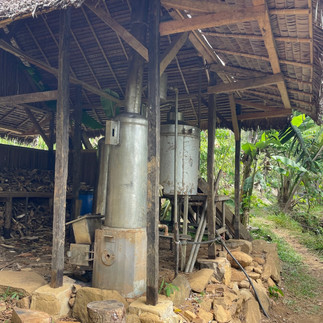

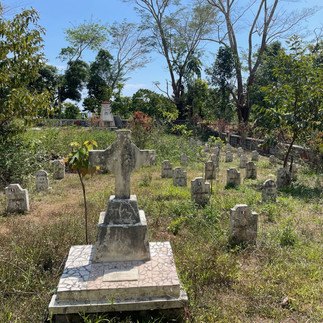
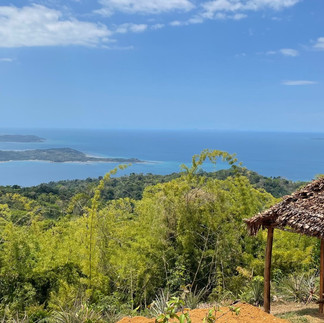


beautiful sights and views

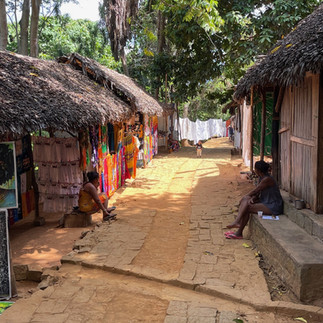


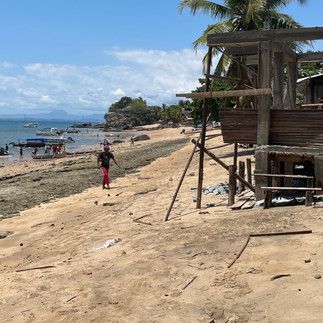

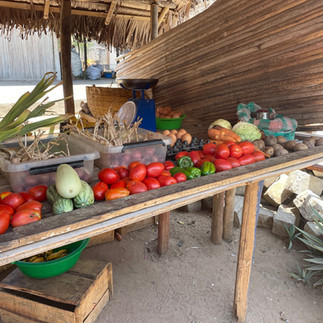




Ampangorinana
We spend the evening with Lizl and Gerry. The Lala Manzi crew is also there. We grill fish and steaks from South Africa, with salad, beer and wine. We celebrate our arrival in Madagascar a little until late into the night and remember many small episodes on our trip. We hear stories from the islands, about fishing and life on Nosy Komba. These beautiful evenings go by too quickly. The dinghy ride to the boat becomes an adventure even in the pitch black.


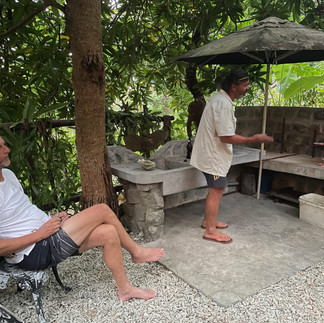




an evening with Lizl and Gery and the Lala Manzi crew
From Madagascar to Mahé, Seychelles 9.10. - October 14, 2023
Only those who are ready to set off and travel can escape the paralyzing habituation. Hermann Hesse already knew that.
The time in Madagascar was a pleasure, but we had to move on: Susanne and Tim are going to visit us in the Seychelles and after our clearing debacle we only had around 800 nm left after our clearing out debacle to bring us. We anchored again in Crater Bay to shop and store diesel. Then we went back to Hellville to clear out and we were on our way north again. First along the coast of Nosy Be, then heading towards Glorioso. The weather reports were okay, although not as we had hoped. The wind was from north west to west, actually unusual for this time of year. At the height of the northern tip of Madagascar's main island lies the infamous Cap d'Amber and after that it's time to cross the southern Equatoria current. What a task. The Indian Ocean did its honors with its cross lakes and we were shaken vigorously for the first two days. But we had really good speed and nice weather. After Renier's cold, it was Gottfried's turn. The last two days before the landfall were hard times for Sandra and Renier; they had to share the guards. Our decision to sail with a crew of three turned out to be the right one. This wouldn't have been a problem for die-hard solo sailors, but we prefer to be well positioned and protected.
After 5 days we reach the island of Mahé in the "inner islands" on Saturday morning, October 14th. the Seychelles. After a long crossing, arriving on a beautiful green island is always a special experience. From the southernmost archipelago of the Seychelles, the Aldabra Atoll, to the inner islands, we passed almost all of the islands of the Seychelles. Compared to Madagascar, clearing in was easy and hassle-free. All those responsible came to our ship in a pilot boat. By midday we were already at the Eden Island Marina and were able to start preparing for our visit.A long trip from South Africa to the Seychelles comes to an end here. We have completed 2909 nautical miles and 21 days at sea. The entire trip took just over six weeks. We had a lovely time with Renier and his long trip was greatly enriched by him. Now we are here, we have to adjust to a new country and sailing area and are looking forward to new adventures again.


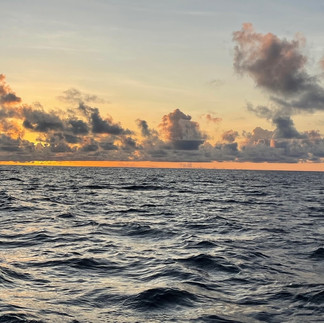


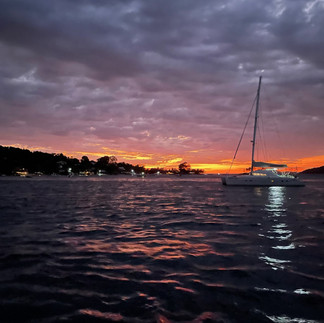
final preparations and on the way to Mahé


Call to Mahé

the well-deserved anchor drink!
Comments